Light vs. Dark Roast: An Explainer for New Coffee Drinkers
Walk into a good coffee bar and you may be asked a question that supermarkets rarely raise: light or dark? For a new drinker it sounds like a small detail, somewhere between a preference and a personality test. It isn't small. Roast level is one of the few decisions that reliably changes what ends up in your cup, often more than the country of origin printed on the bag.
The good news is that roast level is easy to learn. You don't need a cupping spoon or a certificate. You need to know what the roaster did to the bean, what that does to the taste, and which brewing method flatters which roast. That is the whole explainer.
What Roast Level Actually Means
Coffee starts out as a green seed, dense and smelling faintly of hay and dried grass. Roasting applies heat for somewhere between eight and fifteen minutes, and the roaster decides when to stop. That stopping point is the roast level, and it sits on a rough spectrum: light, medium, medium-dark, dark.
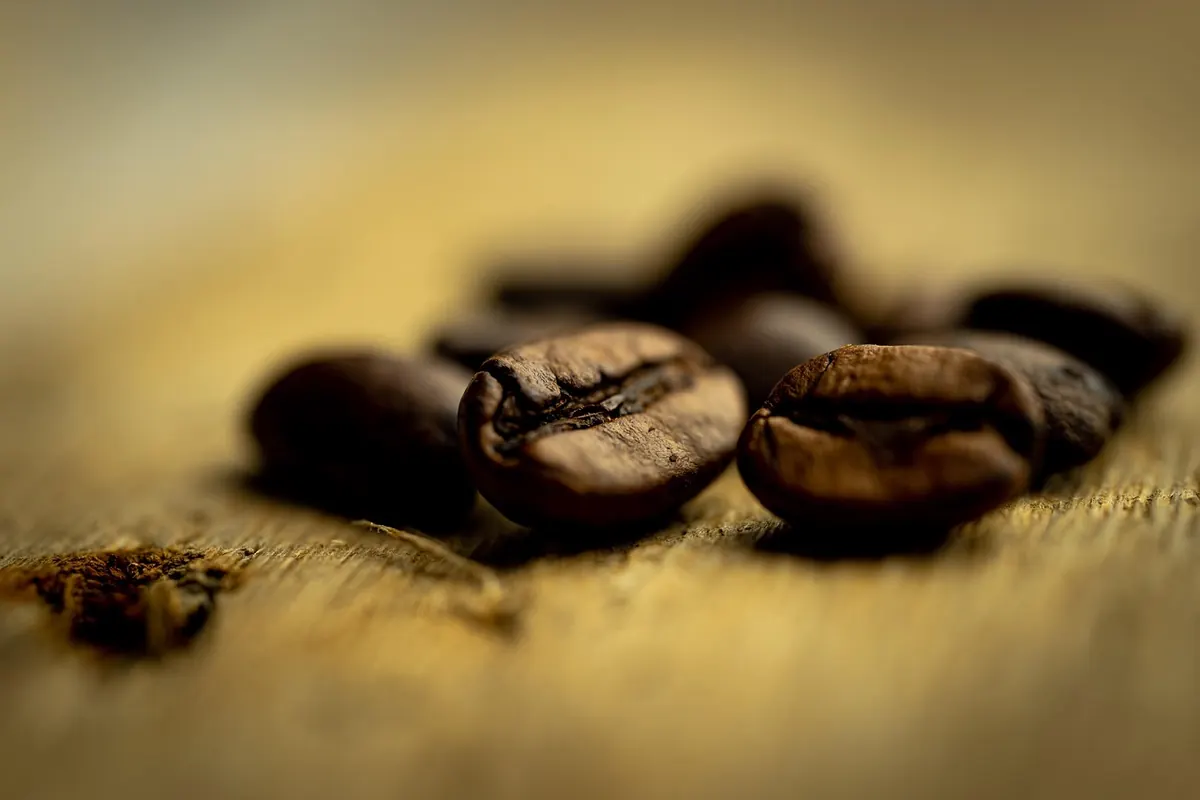
Two audible markers guide the process. First crack is a popping sound, like distant popcorn, caused by steam and the bean expanding. Second crack is quieter and more like crackling paper, arriving when the bean structure begins to fracture and oils are pushed toward the surface. Light roasts are pulled shortly after first crack. Dark roasts sit at or past second crack.
One thing worth saying early: roast level is a style, not a quality grade. A dark roast is not automatically stronger, and a light roast is not automatically better. The words on a bag are also loose — one roaster's medium is another's medium-dark, which is why tasting is more useful than labels.
The rough spectrum
- Light: pale brown, dry surface, no oil. Keeps the bean's origin character and acidity.
- Medium: the balancing point. Some fruit remains, sweetness builds, body thickens.
- Medium-dark: deeper brown, first traces of oil. Cocoa, toasted nuts, caramel, less acidity.
- Dark: near-black, visibly oily. Smoke, dark chocolate, cedar, sometimes ash on the finish.
How Roast Level Changes Flavor
As the bean takes on heat, several things happen at once. Acids break down. Sugars caramelise, then eventually char. The bean loses moisture, becomes more porous, and gives up its flavours more easily. The result is a fairly predictable trade: the darker you go, the more the roast itself speaks and the less the origin does.
Take a washed Ethiopian coffee, the kind with a reputation for bergamot and peach. Roasted light and brewed carefully, it can taste like tea with lemon peel and stone fruit. The same bean taken dark tastes of cocoa, cedar and toast. Neither is wrong. But if you want to know where a coffee came from, drink it lighter. If you want a broad, comforting cup that stands up to milk, go darker.
Body and bitterness move in the same direction. A light roast typically feels thinner, more tea-like, more acidic — sometimes too acidic, which reads as sour or sharp on the tongue. A dark roast feels syrupy and heavy, and can tip into bitterness or a drying finish if it is roasted very dark or brewed carelessly.
That sour-versus-bitter split is the most useful tasting skill a new drinker can build. Sour usually means under-extracted or a very light roast that needs more heat and contact time. Bitter and drying usually means over-extracted, or a roast that was taken too far. Adjust the brew before blaming the bean.
The Caffeine Question
The common assumption is that dark roast hits harder because it tastes stronger. The chemistry doesn't support that very well. Caffeine is stable at roasting temperatures, so the amount in the bean barely changes from light to dark. What does change is density.
Light-roasted beans are denser, so a scoop holds more coffee by weight. Dark beans have lost moisture and swelled, so the same scoop holds less. Measure by volume and a light roast can easily deliver more caffeine than a dark one. Measure by weight, at the same dose, and the difference is small enough to ignore.
Perception is the other half of the story. Bitter, roasty, syrupy flavours read to most people as "strong," while brightness and acidity read as "weak," even when the caffeine is identical. A dark roast that has been pushed through a sloppy brew also extracts faster, pulling more solubles — including the harsh ones — into the cup.
If you're managing caffeine for a health reason, ask a doctor or pharmacist rather than judging by roast colour. Dose, brew ratio and cup size matter far more than how dark the beans look.
Matching Roast to Brewing Method
The rule of thumb: lighter roasts need help to give up their flavour, darker roasts need restraint. Hotter water, a finer grind and a little more contact time for light. Cooler water, a coarser grind and a shorter brew for dark.
- Pour-over (V60, Chemex, Kalita): light to medium is the sweet spot. Use water just off the boil and a medium-fine grind, and expect fruit and clarity. Dark roasts work but turn muddy and ashy quickly — drop the temperature and finish the brew sooner.
- French press: medium to medium-dark. Immersion is forgiving. Use a coarse grind, four minutes, and stir gently; aggressive plunging over a dark roast drags the bitter edges into the cup.
- Espresso: medium to dark is the traditional range, giving chocolate and body that survive milk. Light roasts can make excellent espresso but demand a finer grind, a longer ratio and more heat — and they can taste sharply acidic if the setup is off.
- Moka pot: medium-dark to dark. The stovetop brewer is blunt and hot, and a darker roast tolerates that better than a delicate light one.
- Cold brew: medium-dark to dark. Cold water pulls less acidity, so a roast with built-in sweetness and body tastes rounder after a twelve-hour steep.
- Batch brew and drip machines: medium. It's the least fussy match, and it forgives a machine that runs a little cool.
What the Bag Tells You
Look for a roast date rather than a best-before date; coffee is best in the first few weeks after roasting. An oily, shiny surface means a darker roast, and those beans tend to fade faster, so buy smaller bags. Some roasters label bags "filter" or "espresso" — that's a recommendation about how the coffee was developed, not a rule you have to follow. Store beans sealed, cool and away from light, and keep them out of the fridge.
How to Compare Two Roasts at Home
If you want to know your own palate rather than take anyone's word for it, run a simple side-by-side.
- Buy the same coffee at two roast levels from one roaster, or two bags from the same origin. Comparing different countries tells you nothing about roast.
- Weigh the same dose of each — 15 grams into 250 grams of water is a fine starting ratio.
- Keep the grind, water and method identical. Taste them back to back while both are still warm.
- Write three words for each: sweetness, acidity, finish. You'll notice the dark cup reads smoother and heavier, the light cup sharper and more aromatic.
- Then adjust one variable — grind slightly finer for the light roast — and taste again.
Choosing Your Starting Point
If you drink black coffee from a filter or pour-over, start with a light or medium roast from a roaster who prints a roast date. If you drink espresso, moka or anything with milk, medium to medium-dark will be easier to enjoy and harder to ruin. If you like iced coffee and cold brew, a medium-dark roast gives you body without needing sugar.
Buy small bags, taste them within a month, and keep one of each on the shelf if you can. There's no prize for picking a side. The point of learning roast levels is that you stop guessing and start choosing — and a cup you chose deliberately tastes better than one you settled for.
Photo: ka_re / Pixabay