Pour-Over vs. French Press: Which Brew Method Suits Your Morning Routine?
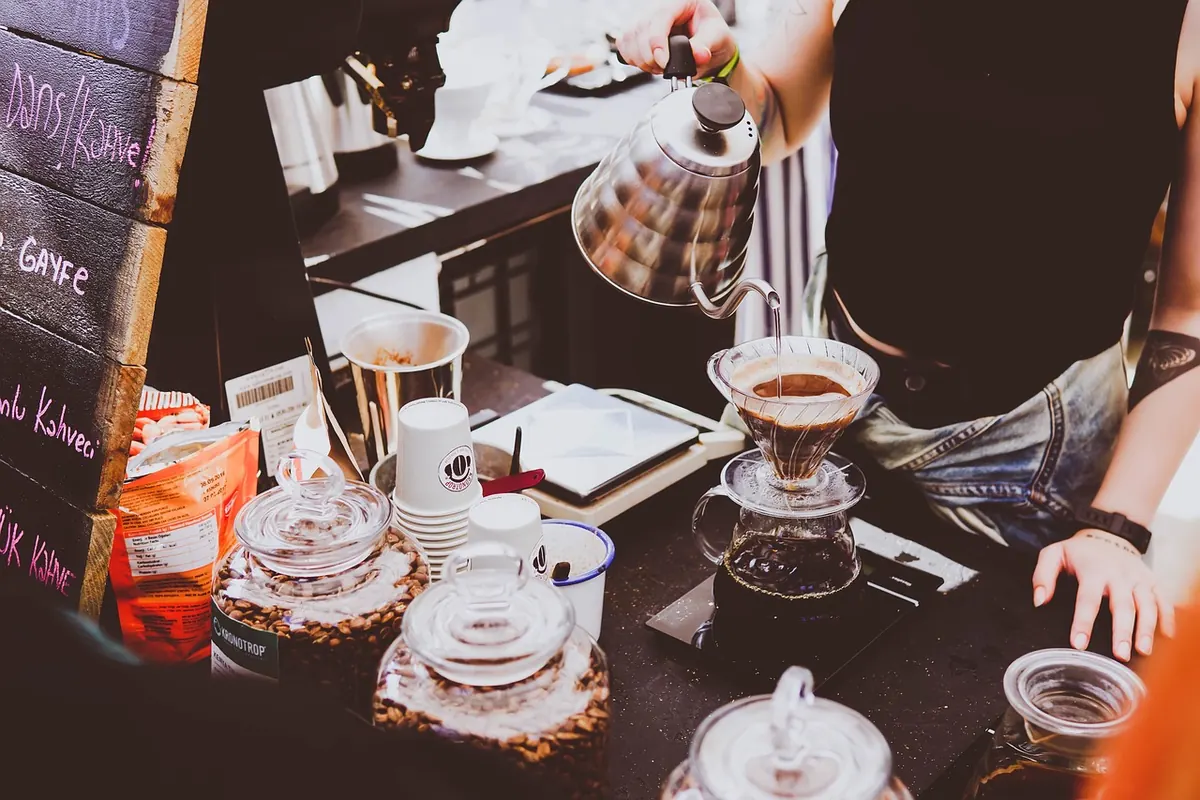
There are mornings when you want to stand at the counter with a kettle and let the ritual do its work. There are other mornings when the only realistic option is boiling water, walking away, and coming back to something drinkable. Pour-over and French press sit on opposite sides of that divide, which is why so many kitchens end up with both. Neither requires an expensive machine, and either can produce a cup worth getting out of bed for. The real question is not which method is better. It is which one fits the ten minutes you actually have between waking up and walking out the door.
Flavour: Clarity First, Body Second
Paper is the whole story with pour-over. A filter traps the coffee's oils and the fine particles that slip through metal mesh, and what lands in your cup is a cleaner, more transparent brew. Light-roasted single origins — a washed Ethiopian, a Kenyan, anything with floral or citrus notes — tend to shine this way, because you taste acidity and aroma as separate things rather than as one round impression.
A French press does the opposite. The mesh holds back the coarse pieces and lets nearly everything else through, so the cup is heavier, silkier and slightly cloudy. Acidity softens, sweetness rounds out, and chocolate and nut notes step forward. Darker roasts and blends often taste better here, and the extra body holds its shape if you add milk.
Two settings follow from that. Grind: medium-fine for pour-over, roughly the texture of table salt; coarse for French press, closer to sea salt or rough breadcrumbs. A fine grind clogs the mesh and turns the cup muddy, while a coarse grind in a dripper drains too quickly and tastes thin and sour. Ratio: start around 60 grams of coffee per litre of water for pour-over, and slightly more coffee in a press, somewhere near 1:15 by weight. Adjust from there rather than chasing someone else's numbers.
Effort: Three Minutes of Attention or Four Minutes of Waiting
Pour-over asks you to stay put. The French press asks you to be patient. Both are manual, but the shape of the work is different.
The pour-over rhythm
- Rinse the paper filter with hot water. It removes the papery taste and warms the cone.
- Add your coffee, level the bed, and set the brewer on a scale.
- Bloom with about twice the coffee's weight in water — just enough to wet the grounds — and wait 30 to 45 seconds while it puffs and settles.
- Pour in slow circles, keeping the water level steady, in two or three stages. Aim for a total brew time of roughly two and a half to three and a half minutes.
- Let it drain fully, lift off the dripper, and swirl the carafe before pouring.
The French press rhythm
Add coarse grounds, pour all the water in at once, stir once, and put the lid on with the plunger raised. Wait four minutes. Then press down slowly and evenly — a fast plunge stirs up sediment — and pour straight away. Leaving the coffee sitting on the grounds keeps extracting and turns the second cup bitter and gritty.
If you are half asleep, the press is more forgiving: there is no pouring technique to ruin. The trade-off is that you cannot wander off for ten minutes either, or you will come back to something stewed.
Cleanup: The Part Nobody Mentions in the Shop
Pour-over wins this one comfortably. Lift the filter with the grounds inside, drop it in the bin or compost, rinse the cone, and you are done. A ceramic dripper benefits from an occasional soak, but day to day it is a fifteen-second job.
The press takes more care because of what goes down the drain. A whole pot of grounds plus fine sediment and oils is hard on plumbing over time, so scrape the grounds into the bin or compost before rinsing. Give the mesh a scrub with a small brush every few days; coffee oils go rancid and leave a stale edge on the next brew that no amount of fresh beans will fix. And handle the glass beaker gently — a chipped press is a press you stop using.
Equipment and Running Costs
Both methods are cheap to enter compared with espresso, but they spend your money differently.
- Pour-over: a dripper, a supply of paper filters you keep buying, ideally a scale, and a gooseneck kettle if you want precise control. A plastic cone is inexpensive, holds heat well, and is a perfectly respectable place to start; ceramic looks better on the shelf and needs preheating.
- French press: one purchase, no consumables, nothing to restock. A scale still helps, and a spare beaker is worth considering if your kitchen is a hard place for glass.
Over a year, the press is the lower-cost habit because nothing gets used up. The dripper's recurring filter cost is small, but it is real, and it is the reason some people keep a metal filter on hand as a backup.
Which Morning Sounds Like Yours?
Choose pour-over if you drink light roasts and want to taste the difference between two bags of beans, you enjoy a small ritual that keeps you in the kitchen for three minutes, and you would rather clean as you go than deal with a soggy press later.
Choose French press if you like a heavier cup, often drink dark roasts or add milk, you want a method you can half-attend to, and you would rather buy once than restock filters. It also makes a sensible second brewer for weekends, or a base for cold brew concentrate.
There is no rule against both. Plenty of people keep a press for rushed weekdays and a dripper for the mornings when they have time to pay attention.
A Practical Way to Decide
Borrow or buy the cheaper of the two first and use it for a week. Note the mornings you skip it. If you keep reaching for the press because you cannot face the pouring, that is your answer. If you find yourself avoiding the press because you dread emptying it, that is also your answer.
Start with one brewer, one bag of beans ground to suit it, and a scale. Learn the grind and the ratio before you buy anything else — a better kettle will not rescue a bad grind. And if you are watching caffeine intake or managing a condition that coffee affects, that is a conversation for a doctor rather than a brewing guide.
The best method is the one you will still be using in February, when the alarm goes off and the kitchen is cold. Pick the brewer that makes that morning easier, then let the coffee get better from there.
Photo: StockSnap / Pixabay