The Coffee Bean Label Checklist: What to Look For Before You Buy
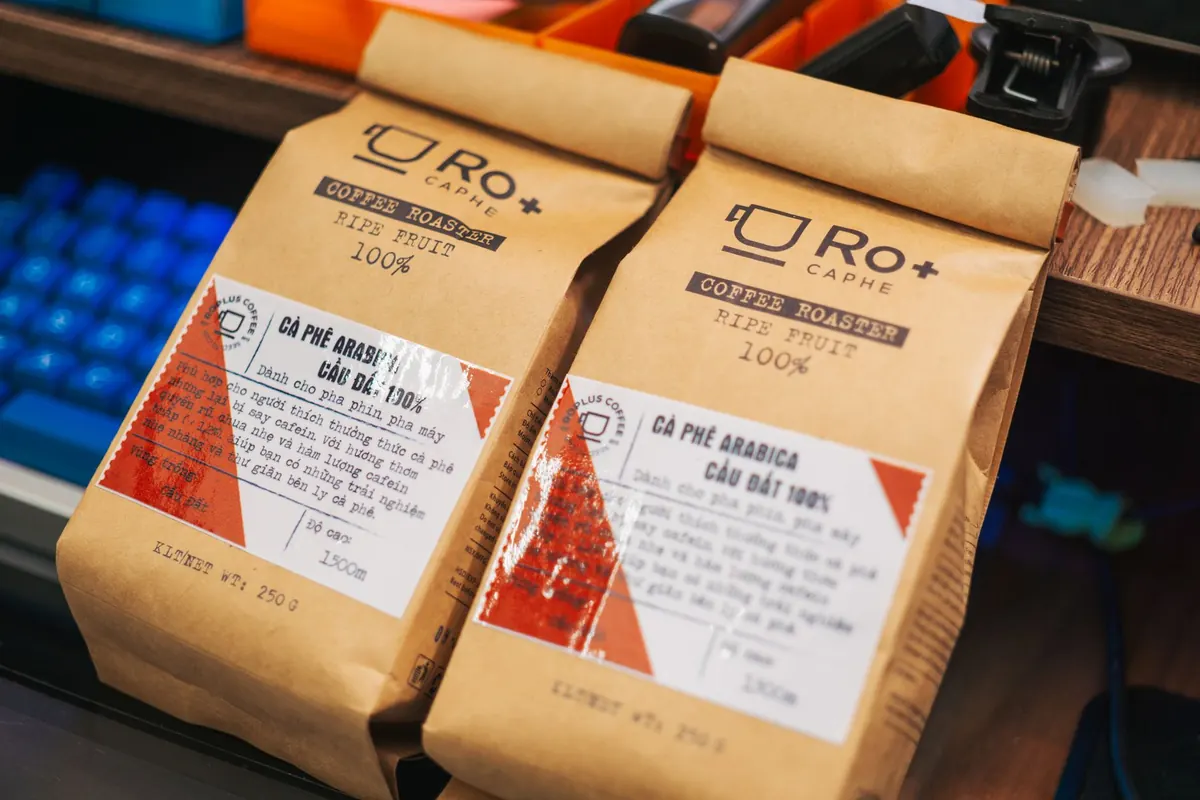
The bag is beautiful. Matte black, gold foil, a line about mountain mist and hand-picked cherries. Then you turn it over to find a single date stamped somewhere near the valve, and you have about four seconds to decide whether this is coffee worth your money or a very expensive candle. The label is the only honest conversation you get with a roaster before you pay. It rewards a bit of reading.
What follows is the sequence I work through on a shelf or a product page, in roughly the order that matters. It is not about chasing the most exotic bag in the shop. It is about spotting the difference between coffee that was roasted for you and coffee that was roasted for a warehouse.
Start With the Roast Date, Not the Best-Before
A best-before date on coffee is a durability statement, not a freshness one. It often sits twelve months or more in the future, which tells you the bag is legally safe to sell, not that the contents taste good. A roast date tells you how old the coffee actually is, which is the number you came for.
Whole beans are usually at their best somewhere between a week and a month after roasting. In the first few days they release carbon dioxide steadily, which is why a freshly roasted bag puffs up and smells almost violently of toast and fruit. After that the peak flattens, then declines. Ground coffee runs this whole race in days rather than weeks, because far more surface area is exposed to oxygen the moment it leaves the grinder.
If a bag shows only a best-before date, do the arithmetic only as a rough guess and then ask the roaster directly, or check their site. Any roaster proud of their turnaround will print the roast date and usually the batch. Two more clues: a one-way degassing valve on the bag, and a bag that is opaque rather than clear. Light destroys aroma faster than most people expect, and clear windows look better than they perform.
Read the Origin Line for Specificity
"Product of Brazil" is a country. "Fazenda Rio Verde, Mantiqueira de Minas, Brazil" is a place, a farm and a growing region. The second label tells you the roaster knows what they bought and expects you to care. Specificity is not a guarantee of quality, but vagueness is a reliable signal that the coffee was bought as a commodity and blended to a target flavour.
Look also for the variety and the altitude. Names like Bourbon, Typica, Caturra, SL28, Pacamara or Geisha point to particular plants with particular cup profiles. An altitude figure in metres hints at how slowly the cherries ripened, which generally correlates with density and sweetness. Neither detail is compulsory, but their presence suggests a roaster working with traceable lots rather than a shipping container.
Blends deserve a fair hearing. A well-built blend can be more consistent and more balanced than a single origin, especially in an espresso. What you want from a blend label is honesty about what is in it and why, not a list of countries and the word "premium".
Processing Tells You What to Expect in the Cup
The processing method is the most underrated word on the bag, and often the most useful after the roast date. It describes how the fruit was removed from the seed, and it shapes flavour as much as origin does.
- Washed: fruit removed before drying. Clean, bright, structured, with acidity that reads as citrus or stone fruit.
- Natural: the cherry dries around the seed. Heavier body, berry and dried-fruit sweetness, occasionally a boozy edge.
- Honey: some mucilage left on during drying, sitting between washed and natural. Rounded sweetness, softer acidity.
- Wet-hulled (giling basah): common in Sumatra. Herbal, earthy, low-acid, heavy-bodied.
- Anaerobic or extended fermentation: sealed fermentation before drying. Intensely aromatic, sometimes spicy or tropical. Delicious or strange, rarely neutral.
If you see a decaf bag, check how it was decaffeinated. Swiss Water and CO2 processes use water and carbon dioxide respectively; solvent-based methods use ethyl acetate. All are legal and considered safe, but the water and CO2 methods tend to preserve more of the original character, and many roasters say so on the label.
Roast Level Words Are Looser Than They Sound
"Medium" from one roaster is another roaster's "medium-dark", so treat the words as a rough direction rather than a measurement. Useful supporting detail includes tasting notes that match the roast, a stated intention for brew method, or a mention of the roast profile length. Some roasters publish a colour reading or development details; most do not, and that is fine.
Two practical shortcuts. First, if a bag lists "dark chocolate, toasted almond, caramel", expect a developed roast that will forgive a sloppy brew but hide delicate origin character. If it lists "jasmine, bergamot, white peach", expect a lighter roast that rewards a decent grinder and careful water. Second, a dark roast is not automatically a stronger hit of caffeine; it mainly tastes of the roast itself. Judge it on flavour, not on a vague promise of power.
The Small Print That Quietly Matters
Weight is worth a glance, because bags range widely and a 200g bag at the same price as a 250g one changes the maths considerably. Check whether the coffee is whole bean or ground, and if ground, whether the grind is stated — espresso, filter, moka, French press. A bag marked simply "ground" is a gamble.
Certifications such as organic, Fairtrade or Rainforest Alliance are verifiable claims backed by inspection bodies, and they tell you something about how the coffee was grown or traded. "Direct trade" is not a certified term, so read what the roaster actually says about it. Also look at where the coffee was roasted versus packed: "packed in" can mean the beans were roasted somewhere else entirely, which affects how long they have been sitting.
Finally, ignore storage advice that tells you to keep the bag in the fridge. Moisture and food odours are enemies. An airtight, opaque container in a cool, dark cupboard is the simplest answer. Freezing works for some people if the beans go in sealed and you never thaw them twice, but for a bag you will finish in three weeks it is unnecessary fuss.
A Two-Minute Check Before You Buy
Run this in order and you will rarely come home with stale coffee.
- Find the roast date. If there is none, ask. If nobody knows, walk away.
- Judge the age by grind and format: whole bean within a month, ground within a week or two.
- Read the origin line. Reward farms, regions, varieties and altitudes; be sceptical of country-only labels on expensive bags.
- Check the processing method and decide if that profile suits how you brew.
- Match the tasting notes to the roast level, and to what you actually enjoy drinking at 7am.
- Confirm weight, whole bean or ground, and grind size if relevant.
- Look for a valve and an opaque bag, then store it cool, dark and airtight at home.
None of this requires expertise, just a habit of turning the bag over. The best label is not the most poetic one. It is the one that answers your questions plainly, so you can spend your attention on the cup instead of the marketing.
Photo: FOX ^.ᆽ.^= ∫ / Pexels