What Is Specialty Coffee? A Plain-English Explainer
Two bags sit side by side on a shelf. Both promise a "premium" experience. One tastes sweet and clean, with a bright finish you notice halfway through the cup. The other is flat, a little papery, forgettable. The first bag probably says specialty somewhere on the label. The word gets used loosely, but it has a real definition, and knowing it makes you a better shopper.
The Definition Hiding in Plain Sight
Specialty coffee is coffee that has been evaluated for quality and handled with care at every stage, from the farm to the roaster to the bag you open. The evaluation happens through cupping: a formal tasting where a grader smells the dry grounds, brews the coffee, slurps it, and scores what's in the cup. Sweetness, acidity, body, flavor, aftertaste, balance, and defects all count.
Most of the trade uses a 100-point scale, and 80 and above is the common line between "specialty" and "not." That number is useful, but it is not magic. A score is a door, not the room. Plenty of coffee scores 82 and tastes lovely; plenty of coffee scores 86 and leaves you cold. The point of grading is to filter out coffee with mold, insect damage, harsh fermentation, or other faults before it reaches you.
The phrase has been around since the 1970s, when a small group of buyers and roasters started talking about coffee the way people talk about wine. The idea was simple: coffee is agricultural, it has a place and a season, and it deserves to be treated that way. Specialty is not a variety, a roast level, or a country. It is a standard applied to a specific lot of coffee at a specific moment.
Traceability: The Story on the Bag
Traceability is the paper trail. A specialty bag usually tells you where the coffee came from and how it was processed: the country, the region, the farm or washing station, the altitude, the variety, and the process — washed, natural, honey, and so on. Something like "Ethiopia, Guji, Hambela, 2,050 meters, heirloom varieties, washed" is not decoration. It tells you what to expect in the cup and who to thank or question if something goes wrong.
That level of detail matters because it creates accountability. If a roaster can name the washing station and the lot, they probably know how the coffee was picked and sorted. If a bag says only "100% Arabica" and nothing else, you have no way to judge what you're buying. Arabica is a species, not a grade. A lot of mediocre coffee is 100% Arabica.
Blends can be transparent too. A roaster who lists the components and the harvest years is still giving you useful information. The red flag is silence.
Freshness Is Part of the Definition
Coffee is an agricultural product, and it fades. Roasted beans release carbon dioxide for days after roasting, then slowly lose the aromatics that make them interesting. A bag with a roast date lets you judge freshness. A bag with only a "best before" date tells you almost nothing, because that date can be a year or more after roasting.
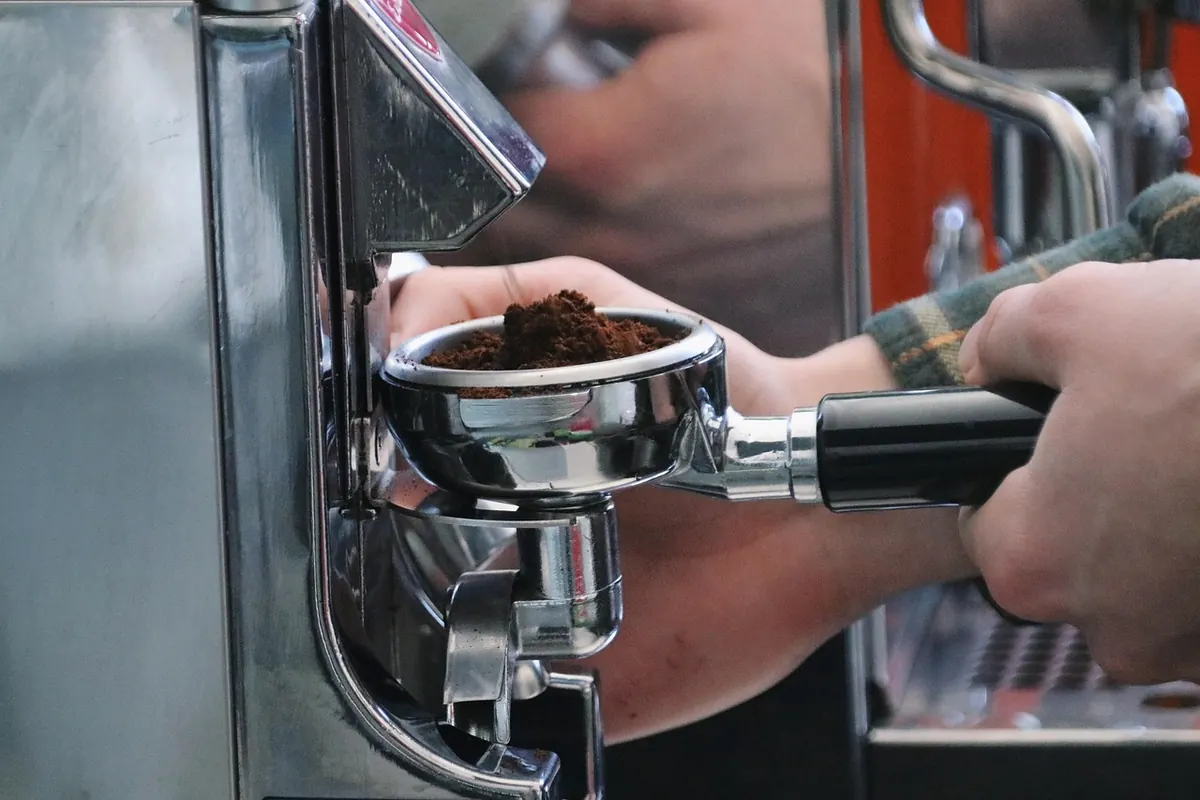
Whole bean coffee stays fresher longer than pre-ground, simply because there is less surface area exposed to air. Grind just before you brew. Store beans in an airtight container, in a cool, dark place, and skip the refrigerator — moisture and food odors are not friends of coffee. Many roasters suggest drinking within a few weeks of the roast date, though the exact window depends on the bean and how you brew it. If a bag has no roast date, ask. A good shop will know.
What This Means for Everyday Buyers
You do not need a cupping spoon or a certificate to shop well. You need a few habits:
- Look for a roast date. "Best before" is not the same thing. A recent roast date is the single most useful piece of information on the bag.
- Read the origin line. Country, region, farm or station, variety, process. More detail is usually better.
- Buy whole bean when you can. If you don't have a grinder, ask the shop to grind for your brew method and buy smaller bags.
- Ignore "100% Arabica" as a quality claim. It describes the species, not the care that went into the lot.
- Buy smaller bags more often. A 250-gram bag that you finish in two weeks beats a kilo that goes stale in the cupboard.
- Ask what the staff are drinking. Baristas and roasters usually have a favorite on the shelf, and they like talking about it.
One more habit: taste before you decide. If a coffee seems bitter, try a slightly coarser grind or a shorter brew. If it tastes weak or sour, go finer or use more coffee. Specialty coffee rewards small adjustments.
The Price Conversation
Specialty coffee costs more, and the reasons are mostly boring and legitimate. Small lots cost more to produce and ship. Sorting out defects takes labor. Fresh roasting in small batches is less efficient than roasting in huge ones. Roasters also take a risk on a lot they may not be able to sell.
Price is a signal, not a guarantee. An expensive bag can still be a poor match for your taste, and a modestly priced bag from a good roaster can be excellent. The useful question is not "why is this expensive?" but "what am I getting for the difference?" Sometimes the answer is a specific farm, a rare variety, or a processing method that took extra work. Sometimes it is just a nice bag.
Myths Worth Setting Aside
Specialty means light roast
No. Specialty coffee is often roasted lighter than supermarket coffee, because lighter roasting preserves origin character, but roast level is a separate decision. A well-roasted medium or dark coffee can be specialty if the green coffee was good and the roast was handled with care.
Specialty means you will like it
It means the coffee passed a quality bar. Your palate still gets a vote. A clean, bright Kenyan coffee may be objectively well made and still not be what you want at 6 a.m. That is fine.
Specialty has to be single origin
Blends can be specialty. A roaster can combine two excellent lots to make a balanced espresso or a dependable filter coffee. What matters is the quality of the components and the honesty of the label.
How to Start Without Overthinking It
Pick one change and try it for a month. Here is a simple sequence:
- Find a local roaster or a shop that prints roast dates. Buy a 250-gram bag of whole bean coffee.
- Ask for a brew recipe for your method — dose, water, grind, time. Write it down.
- Grind just before brewing, and store the beans in an airtight container away from light and heat.
- Drink the bag over two or three weeks. Notice how the flavor changes as it rests.
- Next time, buy a different origin or process and compare. Keep notes if you like; a few words on your phone is enough.
That is the whole trick. Specialty coffee is not a secret club. It is a chain of decisions — growing, picking, sorting, roasting, shipping, brewing — and the label is simply a promise that someone paid attention. Once you know what to look for, the bag in your hand tells you most of what you need to know.
Photo: ClaroCafe / Pixabay